Textbook Maneuver Maps Emotional Distance on ‘Places’

Released on December 5, 2025, ‘Places’ finds Textbook Maneuver refining his language with remarkable precision. Issued via Life Science Records, the single continues to shape the identity of a project that has steadily positioned itself at the intersection of IDM, ambient electronica, and cinematic sound design—never overstated, never ornamental.
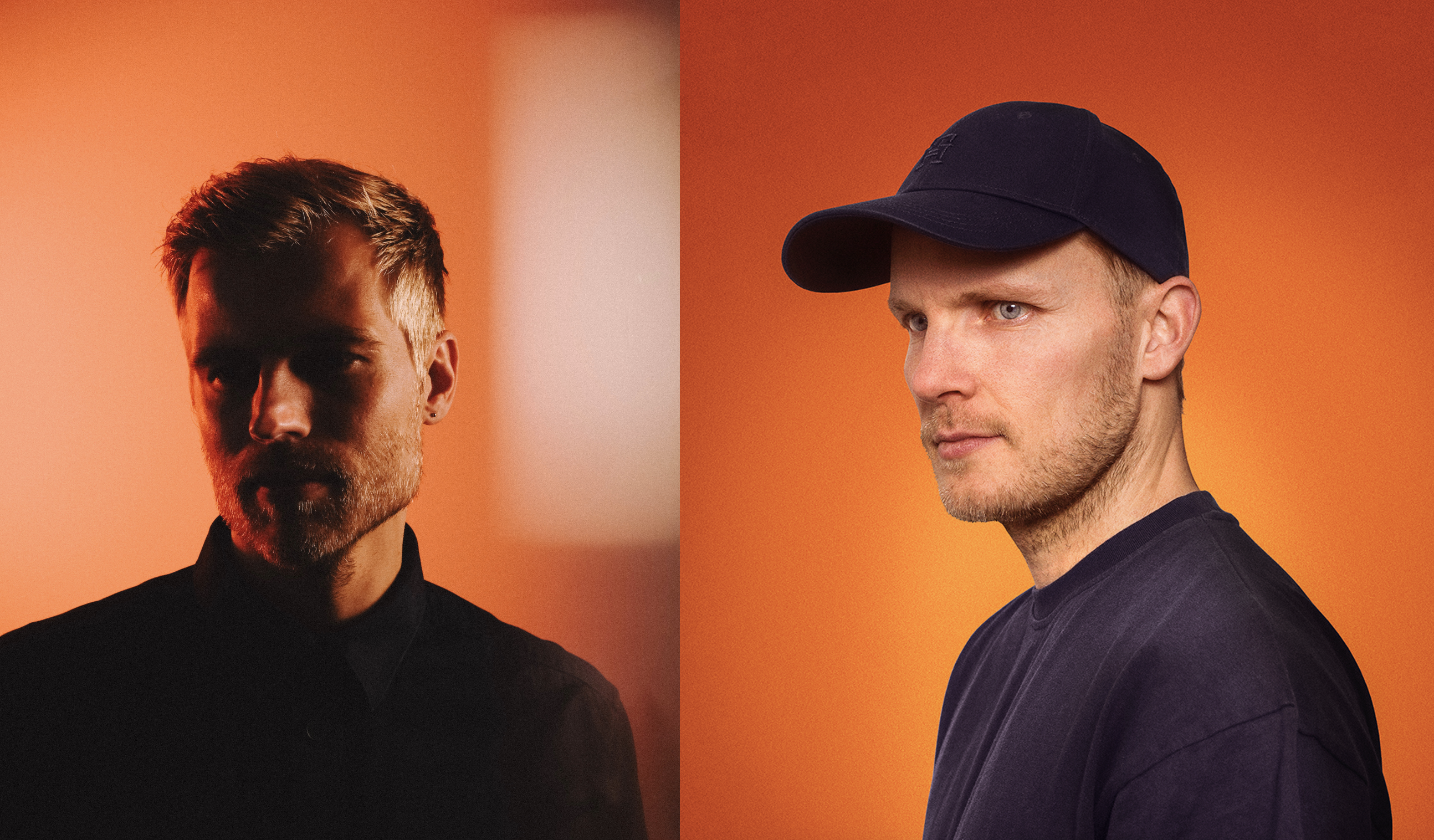
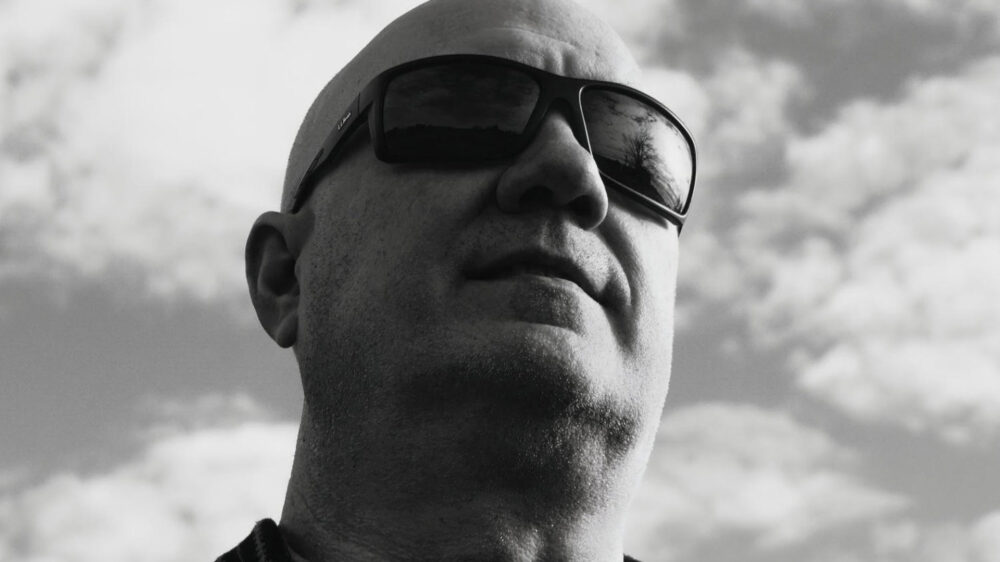
Behind the alias is Michael Keane, whose background as a classically trained pianist subtly informs the structure of the track without ever dominating it. ‘Places’ opens with understated piano figures that feel deliberately exposed, as if caught mid-thought. Rather than resolving into a conventional progression, the piece gradually expands outward, allowing space, texture, and restraint to dictate its movement.
The sound design is tactile and intentional. Soft distortions blur the edges of the melodic material, while distant synth layers stretch the stereo field into something almost architectural. Percussion enters cautiously, drenched in reverb and kept deliberately sparse, guiding the track toward a low, brooding outro that leans more toward atmosphere than closure. The result is a composition that feels suspended between memory and motion.
What sets ‘Places’ apart is its emotional clarity. While comparisons to artists like Jon Hopkins, Nils Frahm, or even the ambient edges of Boards of Canada are understandable, Textbook Maneuver avoids mimicry. His approach is less about referencing genre touchstones and more about translating personal experience into sound. The track’s inspiration—echoes of instruments drifting through the hallways of music schools—manifests in its spatial depth and sense of distance, as though the listener is overhearing fragments rather than being presented with a finished statement.
This emphasis on atmosphere over immediacy aligns with the broader trajectory of the project. Following the attention drawn by Adrenaline Slip and its notable µ-Ziq remix, ‘Places’ feels like a deliberate narrowing of focus. It doesn’t aim to impress through complexity or volume; instead, it trusts subtlety, patience, and repetition.
As a single, ‘Places’ works best when approached without expectation. It’s a piece designed for late hours, solitary listening, and gradual immersion—further proof that Textbook Maneuver is carving out a space where emotional resonance and experimental curiosity coexist naturally.